terça-feira, 9 de junho de 2009


segunda-feira, 8 de junho de 2009
Genocídio do Camboja
Pol Pot, the Khmer Rouge, and Genocide in Cambodia
During their three-year, eight-month, and 21-day rule of Cambodia, the Khmer Rouge committed some of the most heinous crimes in modern history:
- The entire population of Cambodia's urban areas was evacuated from their homes and forced to march into rural areas to work the fields.
- Every man, woman, and child was forced into slave labor for 12-15 hours each day.
- An estimated two million people (21% of Cambodia's population) lost their lives. Many of these victims were brutally executed; many more died of starvation, exhaustion, and disease.
That these crimes were committed so recently (1975-1978) makes them all the more sickening. The country's scars are still plainly visible:
- The population is suspiciously youthful (50% is under the age of 15).
- The economy is in shambles. This is partially thanks to the Khmer Rouge's execution of the upper and educated classes. The fact that they destroyed most of the vehicles and machines in the cities can't have helped.
- New human remains turn up around the exhumed mass graves of the Killing Fields of Cheoung Ek on a daily basis. Silent reminders of the tragedy, these bones and teeth are ceremoniously placed into makeshift shrines in tree hollows and cement planters.
It's hard to comprehend the motivations behind an atrocity like the Cambodian genocide. What could have been going through the minds of the Khmer Rouge officers and their leader Pol Pot?
"Hey Pol, I've got an idea, man. Let's turn the country upside down and get real primitive. Evacuate all the cities, march everyone out to the country. And then start farming, man! Big time. And if anyone resists, let's execute them. In fact, let's kill a whole lot of people. I'm talking hundreds of thousands. Maybe millions. And do it real cruel-like. Bash their heads against trees, electrocute 'em, drown 'em in vats of cold water..."
Fear must have been the prevailing motivator in the regime. How could an officer commit such monstrous crimes against his own countrymen? For fear that something even worse would happen to him.
The Khmer Rouge atrocity seems to follow a time-honored recipe for genocide: the obsessive desire to reach a religious or political ideal coupled with a healthy dose of madness.
Why don't we learn? It seems as if past atrocities of genocide haven't served as a warning, but instead as a blueprint for how to repeat them.
But if history has proven human beings to be intrinsically fallible, it has also proven us to be extraordinarily resilient. Pol Pot cast a heavy shadow over Cambodia, but the people have managed to persevere, begin anew, and find joy in life again.
domingo, 7 de junho de 2009
sábado, 6 de junho de 2009
Carcereiro diz que Pol Pot mandava "esmagar" prisioneiros
Por Ek Madra
PHNOM PENH (Reuters) - O carcereiro chefe de Pol Pot disse em um tribunal apoiado pela Organização das Nações Unidas (ONU) que milhares de cambojanos foram torturados e mortos na famosa prisão S-21, sob ordens do líder do Khmer Vermelho.
Duch, o primeiro de cinco aliados de Pol Pot que irão a julgamento pelos massacres de 1975 a 1979, nos quais 1,7 milhão de cambojanos morreram, disse que o destino dos prisioneiros da S-21 foi selado em um encontro da liderança presidido pelo "Irmão Número Um", Pol Pot.
"O princípio era: quem fosse preso e interrogado, tem de ser esmagado. Isso significa ser morto", afirmou Duch, dizendo estar parafraseando minutos de um encontro em 9 de outubro de 1975.
O ex-professor de matemática, que tem 66 anos e cujo nome real é Kaing Guek Eav, era chefe da prisão também conhecida como Tuol Sleng, onde mais de 14 mil inimigos da revolução foram torturados e mortos.
Com a ausência de pena de morte no Camboja, Duch pode ser condenado a prisão perpétua se considerado culpado pelo tribunal conjunto entre ONU e o país. Ele é acusado de crimes de guerra, crimes contra a humanidade, tortura e homicídio.
Duch, que se tornou cristão após o Khmer Vemelho ter sido deposto por uma invasão vietnamita, aceitou a culpa pelas mortes, mas disse que estava apenas cumprindo ordens.
Ele descreveu nesta quinta-feira como a S-21 era estruturada. Ele se reportava ao então ministro da Defesa, Son Sen, que foi morto em 1997 sob ordens de Pol Pot, que morreu no ano seguinte.
"Pol Pot iniciou a política e Son Sen estava lá para implementá-la", afirmou Duch.
A maioria das vítimas da S-21 era torturada e forçada a confessar espionagem outros crimes antes de serem espancadas até a morte nos "Campos de Extermínio" fora da capital Phnom Penh.
Duch afirmou que encaminhava os relatórios de interrogatórios a Son Sen, e, depois, ao "Irmão Número Dois", Nuon Chea, que substituiu Son Sen como seu supervisor.
Nuon Chea e outros militares que enfrentarão julgamento - o ex-presidente Khieu Samphan, o ex-ministro das Relações Exteriores Ieng Sary e sua mulher - negaram ter conhecimento das atrocidades.
sexta-feira, 5 de junho de 2009
A alucinação de Pol Pot
Pol Pot, o sorriso amigo
Khieu Samphan afirma que ele não consegue "entender até hoje". "Em 1968, Pol Pot deu mostra de perspicácia na organização das zonas liberadas pelos khmers vermelhos. Durante a guerra contra os americanos e os vietnamitas do sul, a criação de cooperativas de "nível inferior" - terra privada, partilha das colheitas - correspondeu às necessidades em razão das destruições causadas pelos bombardeios americanos, e eu percebi que os camponeses estavam aderindo a valer". Por fim, ele acrescenta que a vitória de 1975 comprovou que Pol Pot era um "estrategista".
Mas, após esta vitória, e, portanto, mais uma vez no poder, Pol Pot escolheu o "comunismo total" e a passagem "para as cooperativas de nível superior", com a supressão da distribuição das colheitas". "A desgraça veio do fato de que a vitória fortaleceu Pol Pot na sua convicção de que, para escapar das pressões inimigas, o único caminho possível era a coletivização total, e não apenas a das campanhas", diz Khieu Samphan, que permaneceu ao lado do líder khmer vermelho até o fim.
"Estava claro", prossegue, "que os camponeses não podiam aceitar as expropriações nem a perda das colheitas. A economia rural havia sido destruída pela guerra e as pessoas precisavam respirar um pouco". Em vez disso, "poderes terríveis foram atribuídos aos chefes das cooperativas, o que apresentava o risco de esses indivíduos não possuírem qualquer formação política e não terem sido confrontados às duras provas da vida".
Ele cita um outro exemplo: por que notas de dinheiro haviam sido impressas e estocadas pela guerrilha em 1974 com objetivo de substituir, uma vez o poder conquistado, a moeda emitida pelo governo de Lon Nol, sitiado em Phnom Penh? "A supressão da moeda não havia sido prevista", diz. Então, por que isso foi feito logo depois da vitória de 1975? O mesmo poderia ser dito a respeito dos correios, do ensino, da família, dos intelectuais...
Com a distância, o antigo chefe do Estado estima que "a alucinação de Pol Pot permanece um grande ponto de interrogação". Nos primeiros dias de 1979, quando o exército vietnamita já invadira o sudeste cambojano e estava dirigindo seus blindados rumo a Phnom Penh, Pol Pot permaneceu "muito calmo". "Até o último minuto, ele achou que, quanto mais o inimigo avançasse, quanto mais fácil seria destruí-lo; foi o que ele repetiu até 5 de janeiro", ou seja, 48 horas antes da entrada dos vietnamitas em Phnom Penh, após duas semanas apenas de ofensiva.
Khieu Samphan começou a ter "dúvidas" durante os dias que precederam esta ocupação da capital. "Eu estava encarregado da distribuição dos medicamentos, enquanto os hospitais estavam lotados de feridos", diz. Em 2 de janeiro de 1979, Pol Pot "considera mais prudente" afastar o príncipe Sihanouk de Phnom Penh e pede a Khieu Samphan para conduzi-lo até Sisophon, um vilarejo situado a cerca de 60 quilômetros da fronteira tailandesa, o que ele faz. Então, Pol Pot lhe ordena de trazer o príncipe de volta a Phnom Penh. Ele obedece.
Em 5 de janeiro, Pol Pot lhe pede para "convidar o príncipe para vir conversar com ele". "Era a primeira vez que ele pedia para ver o príncipe e eu entendi então que a situação estava muito ruim". Durante a conversa, Pol Pot "solicitou" a intervenção de Sihanouk perante o Conselho de Segurança da ONU, para defender o Kampuchea democrático - o regime dos Khmers vermelhos. "Eu entendi", diz Khieu Samphan, "que Pol Pot havia sido surpreendido". Sihanouk - que voltará para o seu trono em 1993 - viajou, depois de uma escala em Pequim, para Nova York, onde, após ter defendido a causa do Camboja na ONU, ele escapou da vigilância de sua escolta de khmers vermelhos.
Frente às forças vietnamitas, "houve deslocamentos de unidades porém não houve nenhuma debandada", afirma contudo Khieu Samphan. A liderança khmer vermelha reuniu-se na floresta dos montes Cardamones, não longe da Tailândia. "Todo mundo reconheceu que graves erros haviam sido cometidos, mas era tarde demais", prossegue. Os Khmers vermelhos renunciam então a uma "solução militar" e optam por uma política "frentista", portanto, por uma "união de todas as forças nacionais". Ele confirma que, em 1979, Pol Pot "assumiu as suas responsabilidades e ofereceu a sua demissão", confirmando o boato que circulou na época. Ta Mok, um pilar da direção khmer vermelha, e Nuon Chea, então o segundo oficial mais importante na hierarquia do movimento, "recusaram a sua demissão". "Quem irá substituir o senhor?", responderam-lhe, segundo Khieu Samphan, o qual acrescenta: "Estávamos distantes do espírito de 1970-1971."
Pol Pot permanece portanto à frente da guerrilha mas a sua saúde vai de mal a pior. Nuon Chea, por sua vez, preocupa-se "cada vez mais com a sua própria saúde" e participa com menos afinco da direção do movimento. Em 1985, os Khmers vermelhos decidem "preparar Son Sen" para a sucessão de Pol Pot. O herdeiro assim designado fora encarregado, entre outras coisas, de supervisionar os centros de tortura e de extermínio de 1975 a 1978. Em 1996, o movimento khmer vermelho, cuja história não passa de uma sucessão de traições e de expurgos, cinde-se novamente: Ieng Sary e o seu clã fazem as pazes com Phnom Penh. "Essa foi uma dura prova", comenta Khieu Samphan, que continuou ao lado de Ta Mok e de Pol Pot. Pouco antes da morte deste último, Son Sen "toma o poder". Ele é abatido. Quem deu a ordem? "Foi Pol Pot", responde Khieu Samphan.
Enquanto ele reconhece, de maneira muito tardia, o genocídio, este último continua a expressar sentimentos divididos - "contraditórios", repete ele - em relação ao líder khmer vermelho. "Pol Pot", diz, "sempre se mostrou amigável comigo, e eu posso afirmar que ele me estimava como um intelectual patriota. Ele comparava as nossas relações com as de Lênin com Gorki e parecia pensar, ao meu respeito, que os intelectuais nunca têm os pés no chão".
A respeito de Ta Mok, cuja aliança com Pol Pot foi crucial, ele conta que ele nunca tomava notas durante as reuniões. Quando Pol Pot o repreendia, Ta Mok começava a escrever "em papel de seda de cigarros". Será que ele chegou alguma vez a ser ameaçado pela direção khmer vermelha? Khieu Samphan responde: "Francamente, não". "Até mesmo Ta Mok gostava de mim; nunca tive problemas com ele. Em 1979, depois da ocupação do Camboja pelos vietnamitas, nós não apostamos numa solução armada, mas na necessidade de uma frente unida apoiada pelos países da região e, numa certa medida, numa intervenção do Ocidente. Ta Mok voltou-se para mim e, brincando, me disse: "Daqui para frente, você poderá aderir à CIA".
Tradução: Jean-Yves de Neufville
quinta-feira, 4 de junho de 2009
O exterminador
A informação foi divulgada na quinta-feira 6: Pol Pot, o sanguinário líder do Khmer Vermelho que dirigiu o Camboja entre 1975 e 1979 e foi responsável por um dos maiores genocídios da história, teria morrido de malária. No dia seguinte, fontes do Khmer Vermelho e setores da inteligência da Tailândia desmentiram a notícia. Não seria a primeira vez que sua morte é anunciada. Ele não é visto em público desde 1979. Vivo ou morto, Pol Pot continua a chamar a atenção do mundo para o Camboja. Seu regime foi o mais trágico exemplo da insanidade de se construir o "homem novo". Em 17 de abril de 1975, quando as tropas do Khmer Vermelho entraram em Phnom Penh, os sofridos cambojanos as saudaram como libertadoras. A euforia durou pouco. Logo começaria a transferência forçada das cidades para o campo, porque para Pol Pot a cidade era a fonte de todo o mal. Os cambojanos deveriam eliminar os vícios "burgueses" e se reeducar com as massas camponesas, como ensinava o não menos ditador da China, Mao Tsé-tung. As primeiras medidas: a moeda local foi abolida, bibliotecas foram transformadas em chiqueiros e intelectuais, profissionais liberais eram sumariamente executados. Calcula-se que 15 mil dos 20 mil professores do país foram mortos, assim como 90% dos monges budistas e um em cada cinco médicos. Até hoje as vítimas do genocídio de Pol Pot são contadas: as estimativas variam de um a três milhões de mortos, num país que tem sete milhões de habitantes.
Pol Pot (nome verdadeiro Saloth Sar), nasceu em 19 de maio de 1928 na Província de Kompong Thom, na então Indochina, dominada pela França. Foi em Paris que tomaria contato na década de 40 com a literatura comunista e o movimento anticolonialista. Em 1953 voltou ao seu país e aderiu aos movimentos clandestinos de independência da Indochina - o Camboja se tornaria independente dois anos depois. Em 1968, liderou os guerrilheiros do Khmer Vermelho em seus primeiros ataques ao governo do então príncipe Norodom Sihanouk, que pretendia manter o país neutro na Guerra do Vietnã. Sihanouk foi deposto e substituído pelo general Lon Nol, aliado dos EUA. Pol Pot tomou o lugar do general em 1975. O regime do Khmer acabaria com a invasão do Camboja, justamente por tropas do Vietnã, no Natal de 1978. O Khmer voltou para a selva. Se o "irmão número um" - como gostava de ser chamado - estiver morto, é provável que o Khmer finalmente morra também. Se estiver vivo, continuará a pesar como uma maldição sobre o povo cambojano.
quarta-feira, 3 de junho de 2009
As piores pessoas da história: Pol Pot
segunda-feira, 1 de junho de 2009
Profile: Pol Pot
AKA 'Brother Number One'. Birth name Saloth Sar.
Country: Cambodia.
Kill tally: One to three million (or between a quarter and a third of the country's population).
Background: Cambodia becomes a French protectorate in 1863. Complete independence is finally granted in November 1953, with Prince Norodom Sihanouk establishing a 16-year rule. The region is soon destabilised by the war in Vietnam. In November 1963 Sihanouk terminates an aid program run by the United States and in May 1965, as the war spills into Cambodia, breaks relations completely.
Meanwhile, domestic opposition to Sihanouk begins to mount. A ruthless clampdown on opponents forces many to go underground and take up arms, including the Khmer Rouge, the Cambodian communist insurgency movement led by Saloth Sar, later to be known across the world as Pol Pot.
The threat of the communist insurgents, the effects of the lack of US aid, an increase in incursions by the North Vietnamese and Viet Cong and the subsequent counterstrikes by US and South Vietnamese forces lead Sihanouk to reevaluate the country's relations with Washington. But by the time he turns back to the US in June 1969 it is too late. More background.
Mini biography: Born on 19 May 1925 in Prek Sbauv in Kampong Thum province, north of Phnom Penh. His father is a prosperous farmer and his family has connections to the Cambodian royal family.
1931 - At the age of six he moves to Phnom Penh to live with his brother, an official at the royal palace. He learns the rudiments of Buddhism during a brief stay at a pagoda near the royal palace before receiving his formal education at a number of French language schools and at a Catholic college, although he never obtains a high school diploma.
1946 - While serving with the anti-French resistance under Vietnam's Ho Chi Minh, he joins the outlawed Indochinese Communist Party.
1949 - Pol Pot wins a government scholarship to study radio electronics in Paris. He fails to obtain a degree but becomes enthralled by writings on Marxism and revolutionary socialism and forges bonds with other likeminded young Cambodians studying in the metropolis, including Ieng Sary, Khieu Samphan, Khieu Ponnary and Song Sen. The members of this so-called 'Paris student group' are destined to become the leaders of the Khmer Rouge.
While in Paris Pol Pot also joins the French Communist Party and helps transform the Association of Khmer Students into a platform for nationalist and leftist ideas, openly challenging the Sihanouk government.
In a pamphlet titles 'Monarchy or Democracy' he writes, "(The monarchy) is a vile pustule living on the blood and sweat of the peasants. Only the National Assembly and democratic rights give the Cambodian people some breathing space. ... The democracy which will replace the monarchy is a matchless institution, pure as a diamond."
1951 - The Indochinese Communist Party, which is dominated by the Vietnamese, is reorganised in September into three separate units representing Vietnam, Cambodia and Laos, although the Vietnamese continue to supervise the smaller movements. The Cambodian unit is named the Kampuchean People's Revolutionary Party (KPRP).
1953 - After having his scholarship revoked Pol Pot returns to Cambodia and throws himself into work for the KPRP, first in the Kampong Cham province northwest of Phnom Penh and then in the capital itself. He also travels to the east of the country to meet with the Vietnamese communists.
He supports himself by teaching history and geography at a private school, where he is well liked and respected by his pupils.
1956 - Pol Pot marries Khieu Ponnary.
1960 - In late September Pol Pot and the 'Paris student group' take control of the KPRP, renaming it the Workers' Party of Kampuchea (WPK) and turning it away from its Vietnamese patrons. Pol Pot is elected to the number three position on the party's Central Committee, allowing him to build a strong faction.
1963 - In February Pol Pot is chosen as the WPK's general secretary, the highest position in the party, following the mysterious disappearance of the previous incumbent. In July he and most of the WPK Central Committee leave Phnom Penh to organise an insurgency base, 'Office 100', on the border with Vietnam in the country's northeast.
1965 - Pol Pot walks the recently completed 'Ho Chi Minh Trail' to Hanoi, the capital of North Vietnam, for consultations with the North Vietnamese communists, who are critical of his nationalist agenda and tell him to delay an armed struggle in Cambodia until the US is driven from Vietnam.
1966 - He receives a better reception when he makes his first visit to China, where the 'Cultural Revolution' has just been launched. He is influenced by the leading radicals supporting the movement and by Mao Tse-Tung's concept of a continuous revolution. He will return to Cambodia determined to further loosen ties with the Vietnamese communists.
The WPK changes its name again, to the Kampuchean Communist Party (KCP), though the Cambodian communists are now more commonly known as the 'Khmer Rouge'. The party's all-powerful Central Committee, headed by Pol Pot, is referred to as 'Angkar' (organisation).
1967 - Returning from a trip to North Vietnam, Pol Pot takes refuge in the northeast of Cambodia. He lives with a hill tribe and is impressed by their simple, non-material way of life, seeing it as a realisation of communist ideals.
Insurrection breaks out in the west of Cambodia at the start of the year. It is suppressed brutally but not completely and spreads. By the end of 1968 unrest is reported in 11 of the country's 18 provinces and by the end of the decade the Khmer Rouge almost completely control the mountainous regions on the border with Vietnam.
1968 - The Khmer Rouge establish the Revolutionary Army of Kampuchea in January. Aided by the US, the army launches a small and ineffectual insurgency campaign.
1969 - In March the US begins secret bombing raids on Vietnamese communist sanctuaries and supply routes inside Cambodia (dubbed the 'Menu Series'). Authorised by the newly installed US President, Richard M. Nixon, and directed by his national security adviser, Henry Kissinger, the raids are illegal, as the US has not officially declared war on Cambodia. In 14 months, 110,000 tons of bombs are dropped. When news of the raids is leaked Kissinger orders surveillance and phone tapping of suspects to uncover the source.
US bombing raids into Cambodia will continue until 1973. All told 539,129 tons of ordnance will be dropped on the country, much of it in indiscriminate B-52 carpet-bombing raids. The tonnage is about three and a half times more than that (153,000 tons) dropped on Japan during the Second World War.
Up to 600,000 Cambodians die but the raids are militarily ineffective. The Central Intelligence Agency (CIA) reports that the bombing raids are serving to increase the popularity of the Khmer Rouge among the affected Cambodian population.
1970 - Sihanouk travels abroad in January to solicit Chinese and Soviet assistance to stop North Vietnam from encroaching on Cambodian territory during the course of its war with South Vietnam and the US.
On 18 March Sihanouk's right-wing opponents within the government seize the opportunity, banning his return from China and installing Defence Minister Lon Nol as premier of the newly proclaimed Khmer Republic. The coup is supported by the CIA.
The new, US-backed government stirs anti-Vietnamese sentiment and initiates ineffectual military operations against the Viet Cong troops. Simultaneously, the Lon Nol government cancels an agreement allowing North Vietnam to use the port at Sihanoukville.
In April US President Nixon authorises the invasion of Cambodia by a joint US-South Vietnamese force of 30,000 troops. Tasked with destroying Vietnamese communist bases inside Cambodia, the force pushes the Vietnamese further into Cambodia but is otherwise ineffective and is forced to withdraw in June by the US Congress.
In China, Sihanouk forms a government in exile and builds an alliance with the Khmer Rouge. Both are intent on seeing the overthrow of the Lon Nol government.
The Khmer Rouge receive military aid and training from the North Vietnamese and support from China and are quickly transformed into an effective fighting force, expanding from a small guerilla outfit of less than 5,000 to an army of 100,000 in a matter of months.
By June the republic's troops have been swept from the entire northeastern third of the country. Areas in the south and southwestern parts of the country are also overrun. By 1973 the Khmer Rouge are able to launch independent and successful attacks against the Khmer Republic troops, taking control of nearly 60% of Cambodia's territory and 25% of its population.
1973 - In an attempt to prop-up the Lon Nol government, halt the Khmer Rouge assault and destroy North Vietnamese bases in Cambodia, the Nixon administration secretly intensifies the bombing of the country, without government authorisation, and despite having signed a peace agreement with the North Vietnamese on 27 January.
1974 - In March the Khmer Rouge capture the old capital of Odongk, north of Phnom Penh. In a foretaste of what is to come, the city is destroyed, its 20,000 inhabitants are dispersed into the countryside, and teachers and public servants are executed.
1975 - Now in control of most the Cambodian countryside, the Khmer Rouge surround and isolate the capital Phnom Penh, which has swollen with refugees fleeing the Khmer Rouge and the US bombers. The noose steadily tightens. On April 17, Phnom Penh falls. Within days the city's entire population of over two million is marched into the countryside at gunpoint.
Pol Pot declares 'Year Zero' and directs a ruthless program to "purify" Cambodian society of capitalism, Western culture, religion and all foreign influences in favour of an isolated and totally self-sufficient Maoist agrarian state. No opposition is tolerated.
Foreigners are expelled, embassies closed, and the currency abolished. Markets, schools, newspapers, religious practices and private property are outlawed.
Members of the Lon Nol government, public servants, police, military officers, teachers, ethnic Vietnamese, Christian clergy, Muslim leaders, members of the Cham Muslim minority, members of the middle-class and the educated are identified and executed.
Towns and cities are emptied and their former inhabitants are deemed "April 17th people" or "new people". The country's entire population is forced to relocate to agricultural collectives, the so-called "killing fields". Inmates exist in primitive conditions. Families are separated. Buddhist monks are defrocked and forced into labour brigades. Former city residents are subjected to unending political indoctrination. Children are encouraged to spy on adults.
An estimated 1.5 million are worked or starved to death, die of disease or exposure, or are summarily executed for infringements of camp discipline. Infringements punishable by death include not working hard enough, complaining about living conditions, collecting or stealing food for personal consumption, wearing jewellery, engaging in sexual relations, grieving over the loss of relatives or friends and expressing religious sentiments.
Khmer Rouge records from the Tuol Sleng interrogation and detention centre in Phnom Penh (also known as S-21) show that 14,499 "antiparty elements", including men women and children, are tortured and executed from 1975 to the first six months of 1978. Only seven of those detained at the centre will leave it alive.
At least 20 other similar centres operate throughout the country.
Terror and paranoia reign, reaching a climax in 1977 and 1978 when Pol Pot launches a bloody purge against the "hidden enemies, burrowing from within" and the Khmer Rouge cadres turn on themselves. At least 200,000 are executed.
1976 - The Khmer Rouge declare the new state of Democratic Kampuchea on 5 January. Sihanouk resigns as head of state on 2 April and is placed under virtual house arrest in Phnom Penh. Pol Pot is made prime minister, although his identity and the identities of other members of the 'Angkar' group are kept secret from non-members. To most inside and out of Cambodia he is a shadowy figure known as 'Brother Number One'. The subordinate leaders of the party are known as 'Brother Number Two', 'Brother Number Three', and so on.
It is not revealed that 'Angkar' is in fact the Kampuchean Communist Party until September 1977.
A four year plan is introduced that seeks to treble the country's agricultural output within a year.
1977 - Although almost the entire population is involved in agricultural production, Cambodia experiences food shortages, resulting in many more deaths. Conflicts along the Thai, Laotian and Vietnamese borders escalate. Relations with Vietnam are broken in December. At the same time, Vietnam begins to turn away from China towards the Soviet Union.
Pol Pot, meanwhile, makes a state visit to China, which promises ongoing support, including military assistance for any conflict between Cambodia and Vietnam.
1978 - Vietnam deploys division-sized units along the Cambodian border and sponsors the establishment of an anti-Pol Pot movement called the Kampuchean (or Khmer) National United Front for National Salvation.
On 25 December the Vietnamese launch a full-scale military invasion of Cambodia, rapidly pushing aside the Khmer Rouge. Phnom Penh is captured on 7 January 1979. Sihanouk flees to China on the last flight out of the capital. Pol Pot and the defeated Khmer Rouge retreat to the country's remote western regions from where they will stage a fitful guerilla war destined to last a further 20 years.
Between one and three million Cambodians, or about one quarter of the country's entire population of about seven million, have died during the three years, eight months and 20 days of Pol Pot's rule. On a per capita basis the Khmer Rouge "revolution" is easily the deadliest in modern Asian history.
1979 - Three days after the fall of Phnom Penh the Vietnamese occupying forces establish the People's Republic of Kampuchea (PRK), governed by the KPRP and headed by Heng Samrin, a former Khmer Rouge military commander.
Already at war with the Khmer Rouge, the PRK faces further resistance from two new insurgent movements - the noncommunist Khmer People's National Liberation Front (KPNLF) headed by Son Sen, and the National United Front for an Independent, Neutral, Peaceful, and Cooperative Cambodia (FUNCINPEC) headed by Norodom Sihanouk.
China also enters the dispute, launching a limited invasion of Vietnam in February and March in retaliation for Vietnam's incursion into Cambodia. China is, however, primarily concerned by the improving relations between Vietnam and the Soviet Union.
ASEAN (the Association of Southeast Asian Nations) shares China's concerns about the spread of Soviet-backed communism in the region. Its member nations play a key role in ensuring that the United Nations (UN) continues to recognise Pol Pot's Democratic Kampuchea as the legal representative of Cambodia. The UN also withholds development aid from the KPRP government.
In August a Phnom Penh "people's revolutionary tribunal" tries Pol Pot in absentia for genocide and sentences him to death. In December Pol Pot is replaced as prime minister of the Khmer Rouge "government" by Khieu Samphan. Pol Pot remains as leader of the KCP and the Khmer Rouge armed forces.
It is reported that the Khmer Rouge are receiving military backing from China and the US. It is also reported that a former deputy director of the CIA visits Pol Pot's operational base in November 1980. During 1980 the World Food Program supplies the Khmer Rouge with food worth US$12 million.
Meanwhile, Pol Pot's wife, Khieu Ponnary, goes insane. He will divorce her and in 1985 remarry a much younger second wife with who he will have a daughter. Khieu Ponnary dies in 2003.
1982 - On 22 June the Khmer Rouge, KPNLF and FUNCINPEC join in a coalition (the Coalition Government of Democratic Kampuchea) against the Vietnamese. The agreement has been brokered by ASEAN. Sihanouk is chosen as the coalition's president, Khieu Samphan is vice president and Son Sen is prime minister.
The coalition, which proposes a general election under UN supervision once the Vietnamese have withdrawn, is recognised by the UN as the lawful government of Cambodia and funded by China, the US and Thailand.
1985 - Pol Pot officially resigns as commander of the Khmer Rouge military forces, although he retains a supervisory role.
1987 - In December Sihanouk arranges direct talks between himself and Hun Sen, the premier of the PRK. The talk's are largely fruitless but do open the lines of communication between the two sides.
1988 - In May Vietnam announces plans to withdraw 50,000 troops from Cambodia by the end of the year. By December not only have the troops gone but also the Vietnamese military high command.
In July all the parties in the Cambodian conflict attend an informal meeting in Bogor, Indonesia. Vietnam links a total withdrawal of its troops to the elimination of the Khmer Rouge. China calls for a complete withdrawal of all Vietnamese troops but rules out any role for Pol Pot in a post-settlement government. The meeting ends inconclusively, as does a subsequent meeting held in February 1989.
Meanwhile, rapprochement between the Soviet Union and China causes the Soviets to also pressure Vietnam to withdraw.
1989 - In Europe, the French Government convenes the Paris International Conference on Cambodia from 30 July to 30 August. Called to mediate a settlement between the PRK and the coalition, the conference stalls when no agreement can be reached on the future of the Khmer Rouge once all the Vietnamese troops are withdrawn. China, however, promises to cut all aid to the Khmer Rouge when a settlement is finalised.
The troop withdrawal is completed in September. The PRK remains in power, headed by Hun Sen. The country is renamed Cambodia and the constitution amended. Renewed fighting between the PRK troops and the opposition forces, including the Khmer Rouge, breaks out on the country's western frontier with Thailand.
1991 - On 23 October the four factions finally sign a peace treaty establishing a temporary coalition government under the supervision of a UN peacekeeping force. Sihanouk returns to Cambodia and is named president.
1993 - Cambodia's first multiparty elections since 1972 are held in May, although they are boycotted by the Khmer Rouge, which claims that the Vietnamese are still covertly occupying the country. When no single party wins a majority the KPNLF and FUNCINPEC form a coalition with two smaller groups.
However, Hun Sen refuses to give up control of the government, leading to a power-sharing arrangement between the coalition and the PRK.
The UN withdraws after the election and China, the US and Thailand stop their financial aid.
Pol Pot goes into hiding and continues the insurgency against the government. He is reported to be in command of a shrinking and demoralised Khmer Rouge guerrilla force based in the Phnum Dangrek Range near the northern border with Thailand. Funding for the movement is obtained through the sale of gem mining and logging concessions to Thai interests, with the revenue estimated to be worth about US$200 million a year.
1996 - The Khmer Rouge begin to split. In August Ieng Sary, Khmer Rouge foreign minister and 'Brother Number Three', defects to the Cambodian armed forces, bringing about 4,000 guerrillas with him. Ieng Sary subsequently names Pol Pot as the sole instigator of the Khmer Rouge policies of genocide. It is the beginning of the end for the Khmer Rouge, who are now reduced to just a few thousand cadres.
1997 - In June Pol Pot becomes convinced that Son Sen, the Khmer Rouge minister for defence and his friend for 40 years, is collaborating with the Cambodian Government and orders his execution. Sen's wife and children are also killed.
Pol Pot is subsequently arrested by Ta Mok, the Khmer Rouge military commander and 'Brother Number Five'. On 25 July a "peoples' tribunal" sentences Pol Pot to life imprisonment for Sen's murder. He is reported to be ailing and near death.
During the trial Pol Pot agrees to an interview with Nate Thayer, a journalist with the 'Far Eastern Economic Review'.
"First, I want to let you know that I came to join the revolution, not to kill the Cambodian people," Pol Pot tells Thayer.
"Look at me now. Do you think ... am I a violent person? No. So, as far as my conscience and my mission were concerned, there was no problem. This needs to be clarified. ...
"My experience was the same as that of my movement. We were new and inexperienced and events kept occurring one after the other which we had to deal with. In doing that, we made mistakes as I told you. I admit it now and I admitted it in the notes I have written.
"Whoever wishes to blame or attack me is entitled to do so. I regret I didn't have enough experience to totally control the movement. On the other hand, with our constant struggle, this had to be done together with others in the communist world to stop Kampuchea becoming Vietnamese.
"For the love of the nation and the people it was the right thing to do but in the course of our actions we made mistakes."
Meanwhile, Hun Sen and the PRK seize full control of the Cambodian Government in July, using force of arms to oust the coalition in an action that amounts to a military coup.
1998 - Pol Pot dies in the evening of 15 April, reportedly from heart failure, although the cause of his death remains unclear. Hours earlier he had learned from a radio broadcast that Ta Mok was willing to hand him over to the government for trial. His body is cremated on a pyre of old car tyres beside a village latrine. The site is later enclosed by a crude timber shelter roofed with old sheets of corrugated iron.
In May Cambodian armed forces capture the last stronghold of the Khmer Rouge in the country.
Postscript
1999 - In February the last remaining members of the Khmer Rouge are incorporated into the Cambodian armed forces. In March Ta Mok, the last Khmer Rouge leader at large, is arrested.
2001 - A report released by the Documentation Centre of Cambodia (DC-Cam) in July accuses seven former Khmer Rouge leaders of direct participation in the atrocities of the Pol Pot regime and verifies the existence of "a policy of mass murder devised at the highest levels of power and implemented through a coordinated chain of command".
"No longer will those most responsible for the deaths of nearly one third of the population of Cambodia during the Khmer Rouge reign be able to say they did not know," the report says.
The Documentation Centre is a private organisation set up to collect Khmer Rouge records as a historical resource for the public and as potential evidence in any future trials. It originated in the Cambodian Genocide Program at Yale University in 1995 with a grant from the US Department of State.
By September 2002 the centre has collected 5,922 pages of documents directly implicating a dozen former Khmer Rouge figures in the killings and abuses of the regime. The centre has also identified 19,400 mass graves and documented 167 former prisons, some of which were larger than the notorious Tuol Sleng.
The discoveries by the centre cause experts to revise upward the estimated number of victims of the Khmer Rouge from 1.7 million to 2.2-2.5 million.
In August 2001 the Cambodian Government passes legislation to set up a joint tribunal of local and international judges and prosecutors to try former leaders of the Khmer Rouge for genocide.
Negotiations with the UN over the shape and scope of the tribunal have been underway for a number of years, but without any final resolution. While Cambodia wants the tribunal to be governed by domestic law and to contain a majority of Cambodia judges, the UN wants to hold the authority so that it can ensure the conduct of the tribunal meets international standards.
2002 - In February the UN pulls out of the negotiations on the genocide tribunal, saying the arrangements as conceived by the Cambodian authorities "would not guarantee the independence, objectivity and impartiality that a court established with the support of the United Nations must have".
While the Cambodian Government vows to carry on with its own trials, the US State Department and the French Foreign Ministry call for an immediate resumption of talks between the UN and Cambodia.
Only two former Khmer Rouge are being held in detention awaiting trial for genocide, crimes against humanity and war crimes - Ta Mok, the military commander who arrested Pol Pot in 1997, and Kaing Khek Iev (also known as Duch), the governor of the Tuol Sleng detention centre.
Most of the senior leaders of the Khmer Rouge remain free, including Nuon Chea (also known as Long Reth), one of the members of the 'Paris student group', 'Brother Number Two', and a hard-line and unrepentant supporter of Pol Pot. The former leaders advocate the establishment of a truth and reconciliation commission similar to that set up in South Africa following the end of apartheid, rather than prosecution in a genocide tribunal.
In December the UN General Assembly passes a resolution to rejuvenate negotiations on the genocide tribunal.
2003 - Talks between the UN and Cambodia on the genocide tribunal resume at the start of January. An agreement is reached on 17 March and signed by the UN on 6 June. The tribunal will be composed of both Cambodian and foreign prosecutors and judges, with a majority of Cambodians.
At the end of the year, on 30 December, Khieu Samphan becomes the first of the former Khmer Rouge leaders to acknowledge that their regime committed genocide. "There's no more doubt left," he says.
Meanwhile, the Cambodian Government unveils a multi-million dollar plan to turn Pol Pot's cremation site and its surrounds into an official "historical tourism" zone. Under the plan, dilapidated Khmer Rouge buildings at the site will be renovated and a new access road constructed from Angkor, about 120 km to the south. The project features a purpose-built memorial, museum and theatre complex to record the genocide of the Khmer Rouge regime.
According to a report in the 3 September issue of 'The Sydney Morning Herald', former members of the Khmer Rouge, including Pol Pot's cook and housekeeper, are being recruited to act as tour guides, and new signs have been erected at 26 selected "historical" sites.
2004 - In January Pol Pot's 'Brother Number Two', Nuon Chea, announces that he is willing to face an international genocide tribunal in order to set the record straight.
"I admit that there was a mistake," Nuon Chea says, "But I had my ideology. I wanted to free my country. I wanted people to have wellbeing."
According to Nuon Chea, his key error was to not check up carefully on the work of the regime. "People died, but there were many causes of their deaths," he says, denying that millions perished.
On 4 October the Cambodian National Assembly unanimously ratifies the agreement with the UN to set up a genocide tribunal. The Cambodian Senate also approves the agreement. Although no timetable is set for the commencement of proceedings, the tribunal is expected to run for three years and cost US$57 million.
2005 - In April a deal is approved allowing a Japanese company to commercialise a large Khmer Rouge killing field site at Choeung Ek outside Phnom Penh. In return for an annual fee paid to Cambodian authorities the company will be allowed to charge tourists to enter the site.
Meanwhile, the establishment of a genocide tribunal comes a step closer at the end of April when UN Secretary-general Kofi Annan announces that the UN has received sufficient pledges and contributions "to fund the staffing of the extraordinary chambers and their operations for a sustained period of time".
According to the UN, donor nations have pledged more than US$40 million towards the running of the tribunal. Cambodia is expected to provide a further US$13 million, although the country later says it can only afford US$1.5 million.
On 15 August Cambodian Prime Minister Hun Sen warns that the tribunal may not go ahead unless donor nations contribute more funds. "It has been quite a headache for me," he says. "Sometimes, I have even thought of letting it slide."
Later in August, on the 25th, the UN announces that is has appointed Michelle Lee, a Chinese national, as the chief administrator for the tribunal.
On 30 August the US provides the Documentation Centre of Cambodia with a permanent endowment of US$2 million. Interest from the endowment will be used to assist the funding of the centre.
2006 - In February it is reported that Ieng Sary, former Khmer Rouge foreign minister and 'Brother Number Three', is receiving treatment for a heart condition at a hospital in Thailand. His wife, Khieu Thirith, former Khmer Rouge minister of social affairs, is also hospitalised, for an operation on a broken hip.
Further progress is made towards the commencement of the genocide tribunal when 17 Cambodian and 12 foreign jurists are sworn in on 3 July. The swearing in is followed by a three-day workshop during which the jurists discuss the legal procedures to be used by the tribunal.
Later in July the Documentation Centre of Cambodia provides the tribunal with over 380,000 pages of incriminating Khmer Rouge documents in order to "help speed up the investigation process."
On 21 July Ta Mok, one of the two the senior Khmer Rouge cadres being held in custody on charges of genocide, eludes justice when he dies.
2007 - After much wrangling the Cambodian and international judges appointed to the genocide tribunal agree on the rules for the proceedings on 13 June. On 19 July prosecutors submit a list of five former Khmer Rouge leaders who they believe should stand trial. It is reported that those named are Nuon Chea, Khieu Samphan, Ieng Sary, Kaing Khek Iev and Meas Muth, a son-in-law of Ta Mok.
Noun Chea is arrested at his home in Pailin Province and flown to Phnom Penh on 19 September. He is charged with crimes against humanity and war crimes, including "murder, torture, imprisonment, persecution, extermination, deportation, forcible transfer, enslavement and other inhumane acts."
Ieng Sary and his wife, Khieu Thirith, are arrested and charged on 12 November. Both are charged with crimes against humanity. Ieng Sary is also charged with war crimes.
Khieu Samphan is admitted to Calmette Hospital in Phnom Penh on 13 November after suffering from "numbness" after falling from a hammock at his home in Pailin. He is arrested immediately after his release from the hospital on 19 November and charged with crimes against humanity and war crimes.
The tribunal gets underway the following day when a court is convened for a pretrial hearing of a bail application by Kaing Khek Iev. The application is denied.
Kaing Khek Iev is formally charged with crimes against humanity and war crimes on 12 August.
2008 - On 11 February 'The Independent' newspaper publishes an exclusive interview with Kaing Khek Iev.
"I and everyone else who worked in that place (Tuol Sleng) knew that anyone who entered had to be psychologically demolished, eliminated by steady work, given no way out," Kaing Khek Iev tells reporter Valerio Pellizzari.
"No answer could avoid death. Nobody who came to us had any chance of saving himself. ...
"It was Ta Mok who had ordered all the prisoners to be eliminated. We saw enemies, enemies, enemies everywhere. ...
"I was cornered, like everyone in that machine, I had no alternative. Pol Pot, the No. 1 Brother, said you always had to be suspicious, to fear something. And thus the usual request came: interrogate them again, interrogate them better.
"If I had tried to flee, they were holding my family hostage, and my family would have suffered the same fate as the other prisoners in Tuol Sleng. If I had fled or rebelled it would not have helped anyone."
2009 - Kaing Khek Iev's trial begins on 17 February with an opening procedural session. When the trial resumes on 30 March Kaing accepts responsibility for his crimes.
"I recognise that I am responsible for the crimes committed," he says. "I would like to express my regretful and heartfelt sorrow."
In a later session, Kaing blames the policies of the Nixon administration for the rise of the Khmer Rouge. "I think the Khmer Rouge would already have been demolished" by 1970, he says.
"But Mr Kissinger and Richard Nixon were quick (to back coup leader Lon Nol), and then the Khmer Rouge noted the golden opportunity. ...
"Prince Sihanouk called on the Cambodian people to go and join the communist Khmer Rouge in the jungle and that allowed the Khmer Rouge to build up their troops from 1970 to 1975."
Talking about the establishment of Tuol Sleng, Kaing says, "Pol Pot was the one who initiated the idea, Son Sen implemented it and Nuon Chea is the one who did the follow up. This is from my observation and from the surviving documents. ...
"The principle was that whoever was arrested and interrogated had to be smashed. That meant be killed. ...
"Everyone who was arrested and sent to S-21 (Tuol Sleng) was presumed dead already. ...
"No one was entitled to release them. Even Pol Pot, the most senior person in the Khmer Rouge, acknowledged that he had no right to release any people. That was the party line. ...
"Pol Pot was a murderer. He was the greatest criminal father of Cambodia. ... I did not think of Pol Pot as a patriot, he had blood on his hands."
Comment: Prince Norodom Sihanouk has summed up the character of one of the worst genocidal dictators of the 20th Century, saying, "Pol Pot is very charming. ... His face, his behaviour is very polite, but he is very, very cruel."
Others who knew him have elaborated on this description, calling Pol Pot calm, cold-blooded, extremely secretive, and above all paranoid - traits that allowed him to oversee the genocide of hundreds of thousands of innocent men, women and children.
The last word here goes again to Sihanouk.
"Pol Pot does not believe in God but he thinks that heaven, destiny, wants him to guide Cambodia in the way he thinks it the best for Cambodia, that is to say, the worst. Pol Pot is mad, you know, like Hitler."
domingo, 31 de maio de 2009
O massacre do Camboja
Cambodia Genocide (Pol Pot) - 1975-1979 - 2,000,000 Deaths
An attempt by Khmer Rouge leader Pol Pot to form a Communist peasant farming society resulted in the deaths of 25 percent of the country's population from starvation, overwork and executions.
Pol Pot was born in 1925 (as Saloth Sar) into a farming family in central Cambodia, which was then part of French Indochina. In 1949, at age 20, he traveled to Paris on a scholarship to study radio electronics but became absorbed in Marxism and neglected his studies. He lost his scholarship and returned to Cambodia in 1953 and joined the underground Communist movement. The following year, Cambodia achieved full independence from France and was then ruled by a royal monarchy.
By 1962, Pol Pot had become leader of the Cambodian Communist Party and was forced to flee into the jungle to escape the wrath of Prince Norodom Sihanouk, leader of Cambodia. In the jungle, Pol Pot formed an armed resistance movement that became known as the Khmer Rouge (Red Cambodians) and waged a guerrilla war against Sihanouk's government.
In 1970, Prince Sihanouk was ousted, not by Pol Pot, but due to a U.S.-backed right-wing military coup. An embittered Sihanouk retaliated by joining with Pol Pot, his former enemy, in opposing Cambodia's new military government. That same year, the U.S. invaded Cambodia to expel the North Vietnamese from their border encampments, but instead drove them deeper into Cambodia where they allied themselves with the Khmer Rouge.

From 1969 until 1973, the U.S. intermittently bombed North Vietnamese sanctuaries in eastern Cambodia, killing up to 150,000 Cambodian peasants. As a result, peasants fled the countryside by the hundreds of thousands and settled in Cambodia's capital city, Phnom Penh.
All of these events resulted in economic and military destabilization in Cambodia and a surge of popular support for Pol Pot.
By 1975, the U.S. had withdrawn its troops from Vietnam. Cambodia's government, plagued by corruption and incompetence, also lost its American military support. Taking advantage of the opportunity, Pol Pot's Khmer Rouge army, consisting of teenage peasant guerrillas, marched into Phnom Penh and on April 17 effectively seized control of Cambodia.
Once in power, Pol Pot began a radical experiment to create an agrarian utopia inspired in part by Mao Zedong's Cultural Revolution, which he had witnessed, first-hand during a visit to Communist China.
Mao's "Great Leap Forward" economic program included forced evacuations of Chinese cities and the purging of "class enemies." Pol Pot would now attempt his own "Super Great Leap Forward" in Cambodia, which he renamed the Democratic Republic of Kampuchea.
He began by declaring, "This is Year Zero," and that society was about to be "purified." Capitalism, Western culture, city life, religion, and all foreign influences were to be extinguished in favor of an extreme form of peasant Communism.
All foreigners were thus expelled, embassies closed, and any foreign economic or medical assistance was refused. The use of foreign languages was banned. Newspapers and television stations were shut down, radios and bicycles confiscated, and mail and telephone usage curtailed. Money was forbidden. All businesses were shuttered, religion banned, education halted, health care eliminated, and parental authority revoked. Thus Cambodia was sealed off from the outside world.
All of Cambodia's cities were then forcibly evacuated. At Phnom Penh, two million inhabitants were evacuated on foot into the countryside at gunpoint. As many as 20,000 died along the way.
Millions of Cambodians accustomed to city life were now forced into slave labor in Pol Pot's "killing fields" where they soon began dying from overwork, malnutrition and disease, on a diet of one tin of rice (180 grams) per person every two days.
Workdays in the fields began around 4 a.m. and lasted until 10 p.m., with only two rest periods allowed during the 18 hour day, all under the armed supervision of young Khmer Rouge soldiers eager to kill anyone for the slightest infraction. Starving people were forbidden to eat the fruits and rice they were harvesting. After the rice crop was harvested, Khmer Rouge trucks would arrive and confiscate the entire crop.
Ten to fifteen families lived together with a chairman at the head of each group. The armed supervisors made all work decisions with no participation from the workers who were told, "Whether you live or die is not of great significance." Every tenth day was a day of rest. There were also three days off during the Khmer New Year festival.
Throughout Cambodia, deadly purges were conducted to eliminate remnants of the "old society" - the educated, the wealthy, Buddhist monks, police, doctors, lawyers, teachers, and former government officials. Ex-soldiers were killed along with their wives and children. Anyone suspected of disloyalty to Pol Pot, including eventually many Khmer Rouge leaders, was shot or bludgeoned with an ax. "What is rotten must be removed," a Khmer Rouge slogan proclaimed.
In the villages, unsupervised gatherings of more than two persons were forbidden. Young people were taken from their parents and placed in communals. They were later married in collective ceremonies involving hundreds of often-unwilling couples.
Up to 20,000 persons were tortured into giving false confessions at Tuol Sleng, a school in Phnom Penh, which had been converted into a jail. Elsewhere, suspects were often shot on the spot before any questioning.
Ethnic groups were attacked including the three largest minorities; the Vietnamese, Chinese, and Cham Muslims, along with twenty other smaller groups. Fifty percent of the estimated 425,000 Chinese living in Cambodia in 1975 perished. Khmer Rouge also forced Muslims to eat pork and shot those who refused.
On December 25, 1978, Vietnam launched a full-scale invasion of Cambodia seeking to end Khmer Rouge border attacks. On January 7, 1979, Phnom Penh fell and Pol Pot was deposed. The Vietnamese then installed a puppet government consisting of Khmer Rouge defectors.
Pol Pot retreated into Thailand with the remnants of his Khmer Rouge army and began a guerrilla war against a succession of Cambodian governments lasting over the next 17 years. After a series of internal power struggles in the 1990s, he finally lost control of the Khmer Rouge. In April 1998, 73-year-old Pol Pot died of an apparent heart attack following his arrest, before he could be brought to trial by an international tribunal for the events of 1975-79.sábado, 30 de maio de 2009
Camboja julga Khmer Vermelho
Regime, dos anos 1970, teria matado centena de milhares de pessoas.

Um tribunal no Camboja realizou nesta terça-feira sua primeira audiência no processo contra acusados de participação no regime do Khmer Vermelho.
O primeiro a comparecer, no tribunal apoiado pela ONU, foi o ex-chefe de uma das prisões mais infames do regime, que durou de 1975 a 1979.
Kang Kek Ieu, também conhecido como Duch, é um dos cinco líderes-sêniores presos e indiciados pelo tribunal.
Ele era o responsável pela prisão Tuol Slang, na capital Phnom Penh. Segundo relatos, milhares de pessoas teriam morrido após sofrer maus-tratos na cadeia.
Trabalho Forçado
O julgamento de Kek Ieu começa um dia após a polícia cambojana ter prendido o ex-chefe de Estado do regime, Khieu Samphan.
O regime do Khmer Vermelho, liderado por Pol Pot, é acusado de matar centenas de milhares de pessoas. A maioria por maus tratos, fome e trabalho forçado.
O tribunal internacional conta com juízes e funcionários estrangeiros.
Quem é: Pol Pot?
Em 1946, Pol Pot filia-se ao Partido Comunista da Indochina. Depois de ir para a França estudar eletrônica, volta ao Camboja em 1953, quando o país conquista a independência. Trabalha como professor em Phnom Penh até 1963, quando deixa a cidade porque a polícia suspeita de seu envolvimento com comunistas. No mesmo ano, participa da fundação do Khmer Vermelho, organização guerrilheira de extrema esquerda que cresce politicamente nos dez anos seguintes.
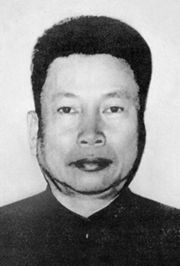
Pol Pot abandona o comando do movimento em 1985, mas continua a exercer influência. Morre de causas naturais, durante a prisão domiciliar a que fora condenado pelo próprio Khmer Vermelho.
sexta-feira, 29 de maio de 2009
ANGELINA JOLIE, Embaixadora da Boa Vontade para os Refugiados
Angelina Jolie renovou recentemente, por mais dois anos, o seu contrato com o ACNUR como Embaixadora da Boa Vontade. Tudo começou há cinco anos atrás, quando recebeu o "script" de "Beyond Borders", um filme em que era convidada a interpretar a protagonista Sarah, uma americana que resolvera abandonar a sua fácil e fútil vida londrina para se tornar numa trabalhadora humanitária nos campos de refugiados da Chechénia. O filme ficaria na gaveta vários anos (só estreou em Novembro passado), mas Angelina passou de imediato à ação...
Em 2000, numa visita de carácter humanitário à Serra Leoa, cruza-se com Ruud Lubbers, o Alto Comissário das Nações Unidas para os Refugiados, começando aí a sua colaboração mais directa com o ACNUR. O seu trabalho humanitário continua na Tanzania, Camboja, etc. Duas semanas antes dos acontecimentos de 11 de Setembro de 2001, encontrava-se nos campos de refugiados da fronteira do Paquistão com o Afeganistão. Em 2002 e 2003 desloca-se ao Equador, Kosovo, Sri Lanka e a diversos países africanos. Sobre a sua experiência humanitária, publica dois diários que lhe valem o prémio "Sérgio Vieira de Mello" dos correspondentes das Nações Unidas, atribuído pela primeira vez em 2003.
Entretanto, a sua carreira como actriz continuava. A sua participação nas séries televisivas 'George Wallace' e 'Gia' foi premiada com 3 Globos de Ouro sucessivos (1998, 1999 e 2000) e a sua interpretação em "Vida Interrompida" vale-lhe um Óscar (2000).
"Tomb Raider" é na altura o jogo de computador mais conceituado e Lara Croft é a heroína que cada jogador comanda. Lara tem uma agilidade física superior, é culta e sofisticada (tem "berço", é filha de aristocratas ingleses), e é bela e de formas generosas. É talvez a primeira grande heroína cibernética a ganhar vida própria e, quando é decidido transpor o sucesso do jogo para o cinema, há o maior cuidado em escolher uma actriz que consiga, pelo menos, ficar a par da boneca virtual. Angelina Jolie preenche os requisitos e, em 2001, encarna Lara Croft. Este filme dá à actriz uma dimensão internacional, tornando-a num portentoso símbolo, principalmente junto dos jovens.
Angelina Jolie tem actualmente 28 anos. Durante as filmagens de "Tomb Raider", no Camboja, decidiu adoptar Maddox, então com sete meses, com quem vive, só. Interrogada por um jornalista sobre as suas motivações humanitárias, respondeu: "Gostaria que Maddox me recordasse não apenas como uma actriz que fez bem filmes e que por isso ganhou prémios, mas também como alguém que se preocupou com os outros e que fez, ou que pelo menos tentou, com que o mundo fosse melhor para os outros".
Quando Catarina Furtado, também Embaixadora da Boa Vontade, foi por nós convidada e aceitou sem hesitação apresentar a gala do Dia do Refugiado, realizada em Junho deste ano, houve um jornalista que perguntou discretamente de que ordem era o cachet. Surpreendido por não haver dinheiro envolvido, o jornalista concluiu que Catarina tinha um marketing inteligente. É o tipo de argumento muitas vezes invocado pelos mais cépticos sobre a "promiscuidade de estrelas e boas causas", principalmente nos grandes concertos musicais, como o recentemente realizado na Cidade do Cabo com o patrocínio de Mandela.
Angelina Jolie, para além de emprestar a sua mediática imagem, contribui também com um terço dos seus rendimentos para a causa dos refugiados (ganha actualmente 16 milhões de dólares por filme). Parece-nos ser um marketing demasiado caro para a promoção de uma actriz. Talvez seja melhor acreditarmos mais nas pessoas, na sua "boa vontade" - é para isso que temos uma embaixadora.
Fonte: http://www.cpr.pt/prov/angelina.html
ACNURH - primeiro briefing
As reuniões do Alto Comissariado das Nações Unidas para Refugiados (ACNURH) no início da década de 1990 têm por objetivo discutir as formas de repatriamento dos refugiados cambojanos e todas as suas peculiaridades. Muitas dificuldades são encontradas e a cada nova notícia, mais informação chega aos nossos delegados para que assim cumpram sua missão da melhor maneira possível. Abaixo, uma notícia do New York Times publicada em 21 de outubro de 1991.
Plano do Khmer Vermelho de mover refugiados de volta para o Camboja cria pânico
Por: PHILIP SHENON,
Publicado Segunda, 21 de outubro de 1991
Cartas de refugiados cambojanos, escritas com pânico e entregues aos trabalhadores humanitários internacionais na fronteira entre a Tailândia e o Camboja, indicam que o antigo e terrível medo está de volta.
“O fantasma de 1975 está de volta”, disse uma carta angustiada se referindo ao ano em que o Khmer Vermelho assumiu o controle do Camboja e iniciou quase quatro anos de terror que deixaram mais de 1 milhão de cambojanos mortos em uma população total de 7 milhões, tendo terminado com a invasão do Vietnã. “Por favor me ajudem!” o autor disse. “Eu não posso ficar. Eu não sei como eu posso escapar”.
Outra nota, escrita em Khmer - linguagem cambojana - num pequeno e manchado pedaço de papel, pedia: “Salvem meus filhos de outro pesadelo cambojano. O Khmer Vermelho é capaz de qualquer coisa”. Tais cartas – algumas em Khmer, outras em inglês, francês ou tailandês – foram cuidadosamente entregues para os trabalhadores humanitários internacionais nas três semanas seguintes ao anuncio do plano do Khmer Vermelho de mover centenas de refugiados cambojanos através da fronteira em direção à epidemia de malária e à selva cambojana que conta com diversos trechos minados.
Visando às eleições
Diplomatas, trabalhadores humanitários e os próprios refugiados – em suas cartas e nas entrevistas próximas ao campo central na fronteira com a Tailândia – dizem que o Khmer Vermelho está determinado a repovoar rapidamente as áreas do Camboja que estão sob seu controle, não importando os perigos impostos por doenças e minas; e, a partir daí usar, a intimidação para controlar as eleições convocadas sob os termos do plano de paz das Nações Unidas para o Camboja.
O tratado de paz das Nações Unidas que pretende finalizar a longa guerra civil no Camboja está marcado para ser assinado na quarta-feira, 23 de outubro, em Paris. O Khmer Vermelho pretende realizar seu próprio plano de repatriação até a assinatura do tratado – mas, suspeita-se, que não demore muito mais tempo. Dos mais de 350 mil refugiados cambojanos que vivem na Tailândia, como resultado da guerra civil cambojana, 70 mil estão em campos administrados pelo Khmer Vermelho com assistência das Nações Unidas.
Detenção de líderes eleitos
Em setembro, o Khmer Vermelho atraiu 16 líderes civis eleitos do maior campo na Tailândia, conhecido como Site 8, para o Camboja, prendeu-os, e anunciou o plano de mover os restantes 44 mil residentes de volta para o Camboja nos próximos dias.
Os líderes civis, que ainda estão detidos no Camboja, foram substituídos por oficias militares do Khmer Vermelho, causando pânico entre os refugiados. “Pessoas estão tremendo de medo”, um refugiado escreveu alguns dias depois. Entre os trabalhadores humanitários acredita-se que os líderes civis dos campos foram levados por causa da sua resistência em violar os acordos das Nações Unidas, pois não encorajavam outros cambojanos a atravessarem a fronteira sem supervisão internacional e antes que as áreas de fronteira fossem desminadas.
Os líderes do Khmer Vermelho, ainda insistindo que os assassinatos em massa bem documentados da década de 1970 nunca ocorreram, estão preparando seu retorno ao Camboja – dessa vez com aprovação internacional, como parte de um governo de coalizão a ser instalado esse ano em Phnom Penh, a capital, sob os termos do tratado das Nações Unidas.
Planejamento do conselho de 12 membros
De acordo com o tratado, uma Suprema Corte Nacional composta por 12 membros – formada por governos apoiados pelo Vietnã, pela China e por dois outros grupos guerrilheiros em uma aliança com Khmer Vermelho – irá assumir os poderes do governo. Contudo isso irá fornecer enorme poder para autoridade transitória das Nações Unidas apoiada por centenas de tropas de peacekeeping que devem supervisionar o desarmamento, a repatriação dos refugiados e as eleições livres dentro de 18 a 21 meses. Mesmo que os oficiais queiram aderir aos termos do acordo, o Khmer Vermelho. Ainda, mesmo quando abordados na sujas estradas ao redor do campo, os refugiados expressaram medo de falar com qualquer estrangeiro.
“É muito perigoso”, disse um soldado cambojano aposentado que vive no campo e que perdeu a perna em uma mina anos atrás. Em um sussurro ele adicionou: “Mas, por favor, saiba que eu não quero voltar para o Camboja agora. Muitas minas. Sem comida”
Leitura estrangeira condenada
Além das preocupações com os refugiados e com os campos de trabalhadores, o Site 8 é descrito como palco do retorno dentre os oficiais do Khmer Vermelho da xenofobia que foi característica da liderança de Pol Pot entre abril de 1975 e o final de 1978. Em um incidente ocorrido nesse mês e descrito em uma das cartas dos refugiados, um soldado armado do Khmer Vermelho repreendeu um grupo de residentes do campo por lerem livros estrangeiros. O soldado alertou-os para pararem de lerem livros estrangeiros.
“Não é do interesse do nosso povo e da nossa nação, porque você não sabe que essas ideologias estão sendo colocadas nas suas cabeças; e você pode acabar esquecendo-se do seu adorado povo e de seu país”, foi citado como fala do soldado. Também há relatos nos campos que os 16 líderes civis foram obrigados a escrever suas histórias de vida, uma técnica usada pelo Khmer Vermelho no passado para identificar seus inimigos, reais e imaginados, e então prendê-los ou executá-los.
Clique aqui para baixar o pdf.


 Postagens


